PRP or hair transplant: which is better for you? A 4-question test you can do in front of the mirror
One clinic says PRP, another says transplant. Answer 4 questions in front of the mirror and see which fits your hair, and why many people need both.
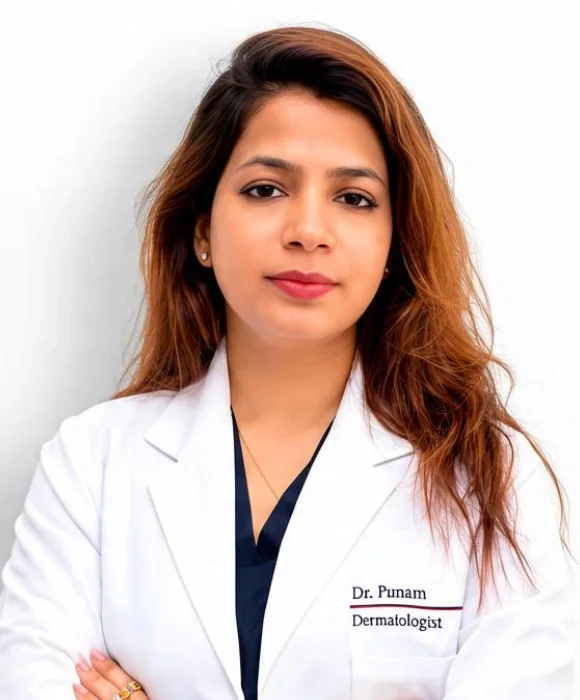
Your doctor at VS Derma
MD Dermatology, Gold Medalist · Dermatologist & hair transplant surgeon · VS Derma Clinic, Bali Nagar, New Delhi
★ 4.9 on Google from 402 patient reviews
You went to one clinic, and they said PRP, 6 sessions. You went to another, and they said transplant, 2,500 grafts. Your friend did PRP and says it was a waste. Your cousin did a transplant and looks great. Now you are more confused than before you started.
Here is the honest way to think about it, and a 4-question test you can do in front of the mirror today.
The one idea that decides everything
Ask yourself one thing about the area you want back:
Is the hair thinning, or is it gone?
- Thinning means there are still hairs there, just finer, weaker, fewer. The roots are alive. → PRP and medicine can make them stronger.
- Gone means the skin is smooth and shiny, and has been for a long time. The roots are dead. → Only a transplant can put hair back.
Everything else is detail.
The 4-question mirror test
Stand under good light, take a photo of the area from above, and zoom in.
1. Can you see thin, small hairs in the area? Yes → the roots are alive. Points to PRP and medicine. No, only bare skin → points to a transplant.
2. Has it changed in the last year? Still getting worse → your hair loss is active. Stabilise it first with medicine and PRP. A transplant now may look patchy later. Same for a few years → it has settled. A transplant is easier to plan.
3. How old are you? Under about 25 → the pattern is still showing itself. Medicine first, transplant later if needed. Over 25 with a settled pattern → a transplant can be planned more safely.
4. Is the back of your head dense? Yes → you have a good donor area for a transplant. Thin at the back too → a transplant may not be right, and the cause needs checking first.
What your answers usually mean
| Your situation | Usually the right start |
|---|---|
| Thinning all over, still hair everywhere | Medicine + PRP |
| Widening parting (common in women) | Find the cause (iron, thyroid, hormones), then medicine + PRP |
| Receding hairline, still fine hairs at the front | Medicine + PRP first |
| Bare temples or crown, settled for years, dense back | Transplant, with medicine to protect the rest |
| Bare front and thinning behind it | Both: transplant for the bare part, medicine + PRP for the thinning part |
| Under 25, losing hair fast | Medicine + PRP now; transplant only once it settles |
What PRP actually does
PRP (platelet-rich plasma) is made from a small amount of your own blood. It is spun to concentrate the platelets and injected into the scalp. The growth factors from the platelets support weak roots, so thin hairs can grow thicker.
It is given as a course of sessions a few weeks apart, then occasional top-ups, and works best with medicine. You judge it at about 3 to 6 months, not after one session.
What PRP cannot do: grow hair on skin that has been bald and shiny for years.
What a hair transplant actually does
In an FUE transplant, individual roots are taken from the back and sides of your head, where they resist the hormone behind pattern baldness, and placed in the bald or thin area. They keep growing there for life.
You see the full result at about 9 to 12 months.
What a transplant cannot do: stop the rest of your hair from thinning. That is why medicine still matters after it.
The myths that cost people money
- “PRP will bring back my bald patch.” Not if the roots are gone.
- “After a transplant, I won’t need anything else.” The transplanted hair stays. The hair around it can keep falling.
- “GFC is the new PRP and much better.” GFC also comes from your own blood. Good comparisons are limited. The right patient matters more than the brand of the procedure.
- “I’m 21, let’s do a transplant now and be done.” Hair loss at 21 is usually still moving. Done too early, the transplant can end up as an island of hair with thinning around it.
- “More grafts is always better.” Your donor area is limited for life. A good plan saves some for later.
Why the answer is often “both”, or “not yet”
Many people need both: medicine and PRP to hold on to the hair they have, and a transplant for the part that is gone. And many people who come in asking for a transplant are told they do not need one yet, because their roots are still alive and can be saved.
A proper scalp examination, usually with a trichoscope that magnifies the roots, shows exactly which areas are thinning and which are gone, and how much donor hair you have. That is how the plan is made, not by the package on offer that month.
The short version
- Thinning, roots alive → PRP and medicine.
- Bare and shiny, settled, dense back of head → transplant (with medicine after).
- Under 25 or losing fast → stabilise first.
- Often both. Sometimes, not yet.
Not sure where you fit? Book a hair consultation with Dr. Punam Singh, MD Dermatology, at VS Derma Clinic, Bali Nagar, West Delhi, or in Dwarka. A scalp examination will show whether you need PRP, a transplant, both, or neither yet.
Questions people ask
PRP or hair transplant: which is better?
Neither is better in general. They do different jobs. PRP thickens thinning hair that is still there. A transplant puts hair back where it is gone. The right one depends on whether your hair is thinning or gone, your age, and how dense the back of your head is.
Can PRP grow hair on a bald area?
No. If the skin has been smooth and shiny for years, the roots there are gone and PRP has nothing to strengthen. Only a transplant can put hair back there.
Do I still need medicine or PRP after a hair transplant?
Usually, yes. Transplanted hair stays, but the hair around it can keep thinning. Medicine and sometimes PRP protect that hair, so the result does not look patchy a few years later.
PRP vs GFC: which is better for hair?
Both are made from your own blood and both use growth factors from platelets; GFC is prepared differently. Good head-to-head research is limited, so neither has been clearly proven better. What matters more is choosing the right patient: thinning hair with live roots.
How many PRP sessions are needed?
Usually a course of a few sessions some weeks apart, then occasional maintenance sessions. Results are judged at about 3 to 6 months, often alongside medicine.
What is the right age for a hair transplant?
There is no fixed age, but before about 25 the pattern is usually still changing, so most dermatologists start with medicine and PRP and wait for the hair loss to settle before planning a transplant.
हिन्दी में पढ़ें
PRP या हेयर ट्रांसप्लांट: आपके लिए कौन-सा बेहतर है? शीशे के सामने 4 सवालों का टेस्ट
- वह एक बात जो सब तय करती है
- शीशे के सामने 4 सवालों का टेस्ट
- आपके जवाबों का आमतौर पर मतलब
- PRP असल में क्या करता है
- हेयर ट्रांसप्लांट असल में क्या करता है
- वे मिथक जिनमें लोगों का पैसा जाता है
- जवाब अक्सर “दोनों”, या “अभी नहीं” क्यों होता है
- छोटे में
आप एक क्लिनिक गए, उन्होंने कहा PRP, 6 सेशन। दूसरे क्लिनिक गए, उन्होंने कहा ट्रांसप्लांट, 2,500 ग्राफ़्ट। दोस्त ने PRP करवाया और कहता है पैसे बेकार गए। कज़िन ने ट्रांसप्लांट करवाया और बढ़िया दिखता है। अब आप शुरुआत से भी ज़्यादा उलझन में हैं।
यहाँ इसे सोचने का सीधा तरीक़ा है, और एक 4 सवालों का टेस्ट जो आप आज ही शीशे के सामने कर सकते हैं।
वह एक बात जो सब तय करती है
जिस जगह के बाल आप वापस चाहते हैं, उसके बारे में ख़ुद से एक सवाल पूछिए:
बाल पतले हो रहे हैं, या जा चुके हैं?
- पतले मतलब वहाँ अभी बाल हैं, बस बारीक, कमज़ोर, कम। जड़ें ज़िंदा हैं। → PRP और दवा उन्हें मज़बूत कर सकते हैं।
- जा चुके मतलब त्वचा चिकनी और चमकदार है, और काफ़ी समय से है। जड़ें ख़त्म हैं। → सिर्फ़ ट्रांसप्लांट बाल वापस ला सकता है।
बाकी सब डिटेल है।
शीशे के सामने 4 सवालों का टेस्ट
अच्छी रोशनी में खड़े हों, ऊपर से उस जगह की फ़ोटो लें, और ज़ूम करें।
1. क्या उस जगह छोटे, पतले बाल दिखते हैं? हाँ → जड़ें ज़िंदा हैं। PRP और दवा की तरफ़ इशारा। नहीं, सिर्फ़ ख़ाली त्वचा → ट्रांसप्लांट की तरफ़ इशारा।
2. पिछले एक साल में बदला है? अभी भी बिगड़ रहा है → हेयर लॉस चालू है। पहले दवा और PRP से रोकें। अभी ट्रांसप्लांट बाद में टुकड़ों में दिख सकता है। कुछ सालों से वैसा ही है → रुक गया है। ट्रांसप्लांट प्लान करना आसान है।
3. आपकी उम्र क्या है? लगभग 25 से कम → पैटर्न अभी सामने आ रहा है। पहले दवा, ज़रूरत हो तो ट्रांसप्लांट बाद में। 25 से ज़्यादा और पैटर्न रुका हुआ → ट्रांसप्लांट ज़्यादा सुरक्षित तरीक़े से प्लान हो सकता है।
4. क्या सिर के पीछे बाल घने हैं? हाँ → ट्रांसप्लांट के लिए अच्छा डोनर एरिया है। पीछे भी पतले → ट्रांसप्लांट शायद सही नहीं, पहले वजह की जाँच ज़रूरी है।
आपके जवाबों का आमतौर पर मतलब
| आपकी स्थिति | आमतौर पर सही शुरुआत |
|---|---|
| पूरे सिर पर पतले, पर हर जगह बाल हैं | दवा + PRP |
| चौड़ी होती माँग (महिलाओं में आम) | पहले वजह ढूँढें (आयरन, थायरॉइड, हार्मोन), फिर दवा + PRP |
| पीछे जाती हेयरलाइन, आगे अभी पतले बाल | पहले दवा + PRP |
| कनपटी या क्राउन ख़ाली, सालों से वैसा, पीछे घने बाल | ट्रांसप्लांट, बाकी बालों को बचाने के लिए दवा के साथ |
| आगे ख़ाली और उसके पीछे पतले | दोनों: ख़ाली हिस्से के लिए ट्रांसप्लांट, पतले हिस्से के लिए दवा + PRP |
| 25 से कम, तेज़ी से बाल जा रहे हैं | अभी दवा + PRP; ट्रांसप्लांट तभी जब रुक जाए |
PRP असल में क्या करता है
PRP (प्लेटलेट-रिच प्लाज़्मा) आपके अपने थोड़े से ख़ून से बनता है। उसे घुमाकर प्लेटलेट्स इकट्ठा किए जाते हैं और स्कैल्प में इंजेक्ट किया जाता है। प्लेटलेट्स के ग्रोथ फ़ैक्टर कमज़ोर जड़ों को सहारा देते हैं, ताकि पतले बाल मोटे हो सकें।
यह कुछ हफ़्तों के अंतर पर सेशन के कोर्स में दिया जाता है, फिर बीच-बीच में टॉप-अप, और दवा के साथ सबसे अच्छा काम करता है। नतीजा लगभग 3 से 6 महीने में देखें, एक सेशन के बाद नहीं।
PRP क्या नहीं कर सकता: सालों से गंजी और चमकदार त्वचा पर बाल उगाना।
हेयर ट्रांसप्लांट असल में क्या करता है
FUE ट्रांसप्लांट में सिर के पीछे और किनारों से एक-एक जड़ निकाली जाती है, जहाँ बाल गंजेपन वाले हार्मोन से बचे रहते हैं, और गंजी या पतली जगह पर लगाई जाती है। वहाँ वे ज़िंदगी भर उगते रहते हैं।
पूरा नतीजा लगभग 9 से 12 महीने में दिखता है।
ट्रांसप्लांट क्या नहीं कर सकता: बाकी बालों को पतला होने से रोकना। इसीलिए उसके बाद भी दवा ज़रूरी है।
वे मिथक जिनमें लोगों का पैसा जाता है
- “PRP से मेरा गंजा पैच भर जाएगा।” नहीं, अगर जड़ें जा चुकी हैं।
- “ट्रांसप्लांट के बाद कुछ और नहीं चाहिए।” ट्रांसप्लांट वाले बाल रहते हैं। उनके आसपास के बाल गिर सकते हैं।
- “GFC नया PRP है और बहुत बेहतर है।” GFC भी आपके अपने ख़ून से बनता है। अच्छी तुलना कम है। प्रोसीजर के ब्रांड से ज़्यादा सही मरीज़ मायने रखता है।
- “मैं 21 का हूँ, अभी ट्रांसप्लांट करवा के छुट्टी।” 21 में हेयर लॉस आमतौर पर अभी चल रहा होता है। बहुत जल्दी करवाने पर ट्रांसप्लांट चारों तरफ़ पतले बालों के बीच एक टापू जैसा रह सकता है।
- “ज़्यादा ग्राफ़्ट हमेशा बेहतर।” आपका डोनर एरिया ज़िंदगी भर के लिए सीमित है। अच्छा प्लान कुछ बाद के लिए भी बचाता है।
जवाब अक्सर “दोनों”, या “अभी नहीं” क्यों होता है
बहुत लोगों को दोनों चाहिए: जो बाल हैं उन्हें बचाने के लिए दवा और PRP, और जो हिस्सा जा चुका है उसके लिए ट्रांसप्लांट। और बहुत लोग जो ट्रांसप्लांट माँगने आते हैं, उन्हें बताया जाता है कि अभी ज़रूरत नहीं, क्योंकि उनकी जड़ें अभी ज़िंदा हैं और बचाई जा सकती हैं।
सही स्कैल्प जाँच, आमतौर पर ट्राइकोस्कोप से जो जड़ों को बड़ा करके दिखाता है, बताती है कि कौन-सी जगह पतली हो रही है और कौन-सी जा चुकी है, और आपके पास कितने डोनर बाल हैं। प्लान ऐसे बनता है, उस महीने के पैकेज से नहीं।
छोटे में
- पतले, जड़ें ज़िंदा → PRP और दवा।
- ख़ाली और चमकदार, रुका हुआ, पीछे घने बाल → ट्रांसप्लांट (बाद में दवा के साथ)।
- 25 से कम या तेज़ी से बाल जा रहे → पहले रोकें।
- अक्सर दोनों। कभी-कभी, अभी नहीं।
पता नहीं आप किसमें आते हैं? VS Derma Clinic, बाली नगर, वेस्ट दिल्ली या द्वारका में डॉ. पूनम सिंह, MD डर्मेटोलॉजी से हेयर कंसल्टेशन बुक करें। स्कैल्प जाँच से पता चलेगा कि आपको PRP चाहिए, ट्रांसप्लांट, दोनों, या अभी कुछ नहीं।
लोग अक्सर पूछते हैं
PRP या हेयर ट्रांसप्लांट: कौन-सा बेहतर है?
आम तौर पर कोई बेहतर नहीं, दोनों अलग काम करते हैं। PRP पतले हो रहे बालों को मोटा करता है। ट्रांसप्लांट वहाँ बाल वापस लाता है जहाँ वे जा चुके हैं। सही कौन-सा है, यह इस पर निर्भर है कि आपके बाल पतले हो रहे हैं या जा चुके हैं, आपकी उम्र, और सिर के पीछे बाल कितने घने हैं।
क्या PRP से गंजी जगह पर बाल उग सकते हैं?
नहीं। अगर त्वचा सालों से चिकनी और चमकदार है, तो वहाँ की जड़ें जा चुकी हैं और PRP के पास मज़बूत करने को कुछ नहीं है। वहाँ बाल सिर्फ़ ट्रांसप्लांट से वापस आ सकते हैं।
क्या हेयर ट्रांसप्लांट के बाद भी दवा या PRP चाहिए?
आमतौर पर हाँ। ट्रांसप्लांट वाले बाल टिके रहते हैं, लेकिन उनके आसपास के बाल पतले होते रह सकते हैं। दवा और कभी-कभी PRP उन बालों को बचाते हैं, ताकि कुछ साल बाद नतीजा टुकड़ों में न दिखे।
बालों के लिए PRP या GFC, कौन-सा बेहतर है?
दोनों आपके अपने ख़ून से बनते हैं और दोनों प्लेटलेट्स के ग्रोथ फ़ैक्टर इस्तेमाल करते हैं, GFC बस अलग तरीक़े से तैयार होता है। दोनों की सीधी तुलना वाली अच्छी रिसर्च कम है, इसलिए कोई साफ़ तौर पर बेहतर साबित नहीं हुआ। ज़्यादा मायने यह रखता है कि मरीज़ सही हो: पतले बाल जिनकी जड़ें ज़िंदा हैं।
PRP के कितने सेशन चाहिए?
आमतौर पर कुछ हफ़्तों के अंतर पर कुछ सेशन का कोर्स, फिर बीच-बीच में मेंटेनेंस सेशन। नतीजा लगभग 3 से 6 महीने में देखा जाता है, अक्सर दवा के साथ।
हेयर ट्रांसप्लांट की सही उम्र क्या है?
कोई तय उम्र नहीं, लेकिन लगभग 25 से पहले पैटर्न आमतौर पर बदल रहा होता है, इसलिए ज़्यादातर डर्मेटोलॉजिस्ट पहले दवा और PRP से शुरू करते हैं और हेयर लॉस रुकने का इंतज़ार करते हैं, फिर ट्रांसप्लांट प्लान करते हैं।
Written by the VS Derma Clinic team. This article is general information, not a diagnosis; see our medical disclaimer, or book a consultation for advice about your own skin or hair.
From the clinic's shelf
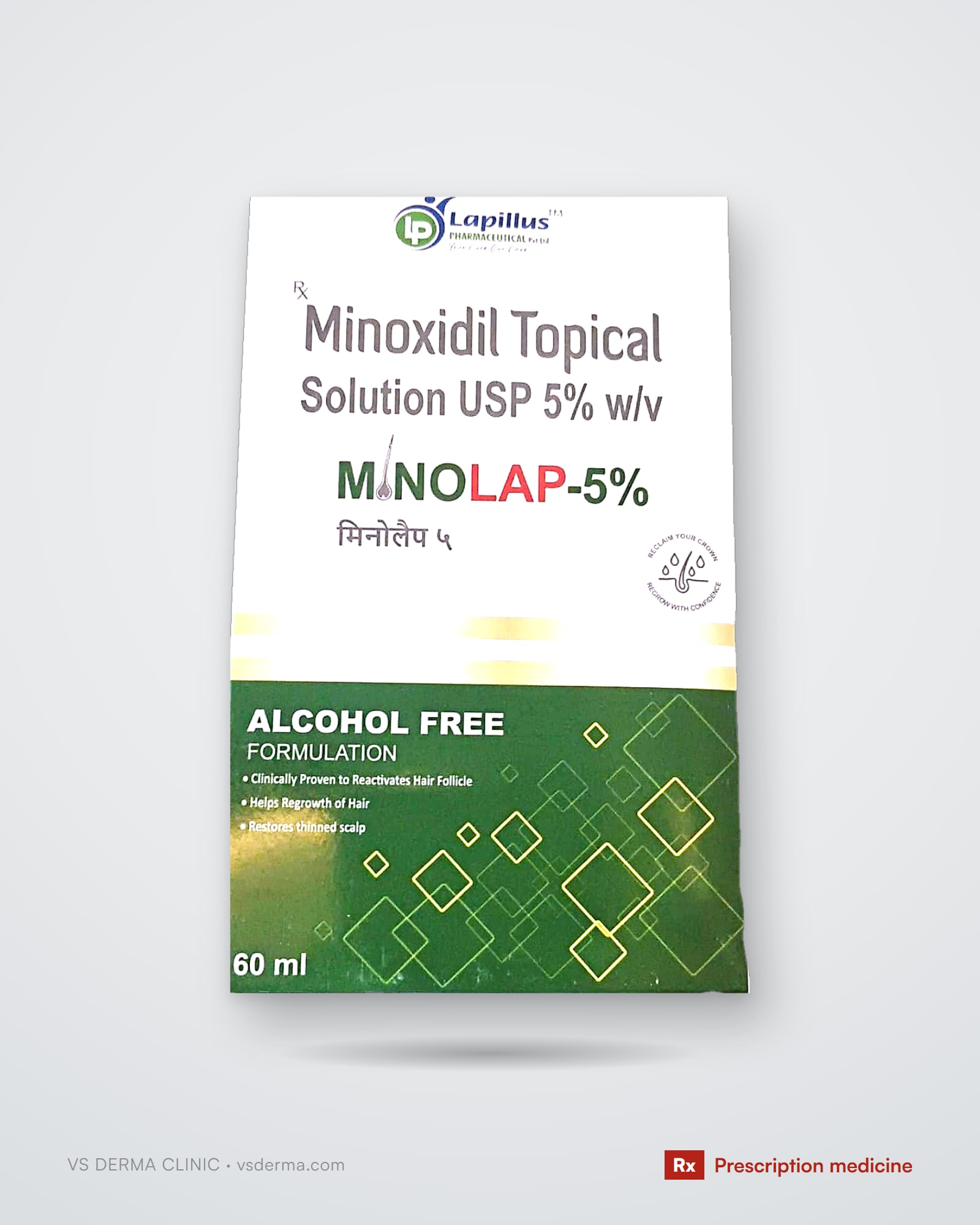
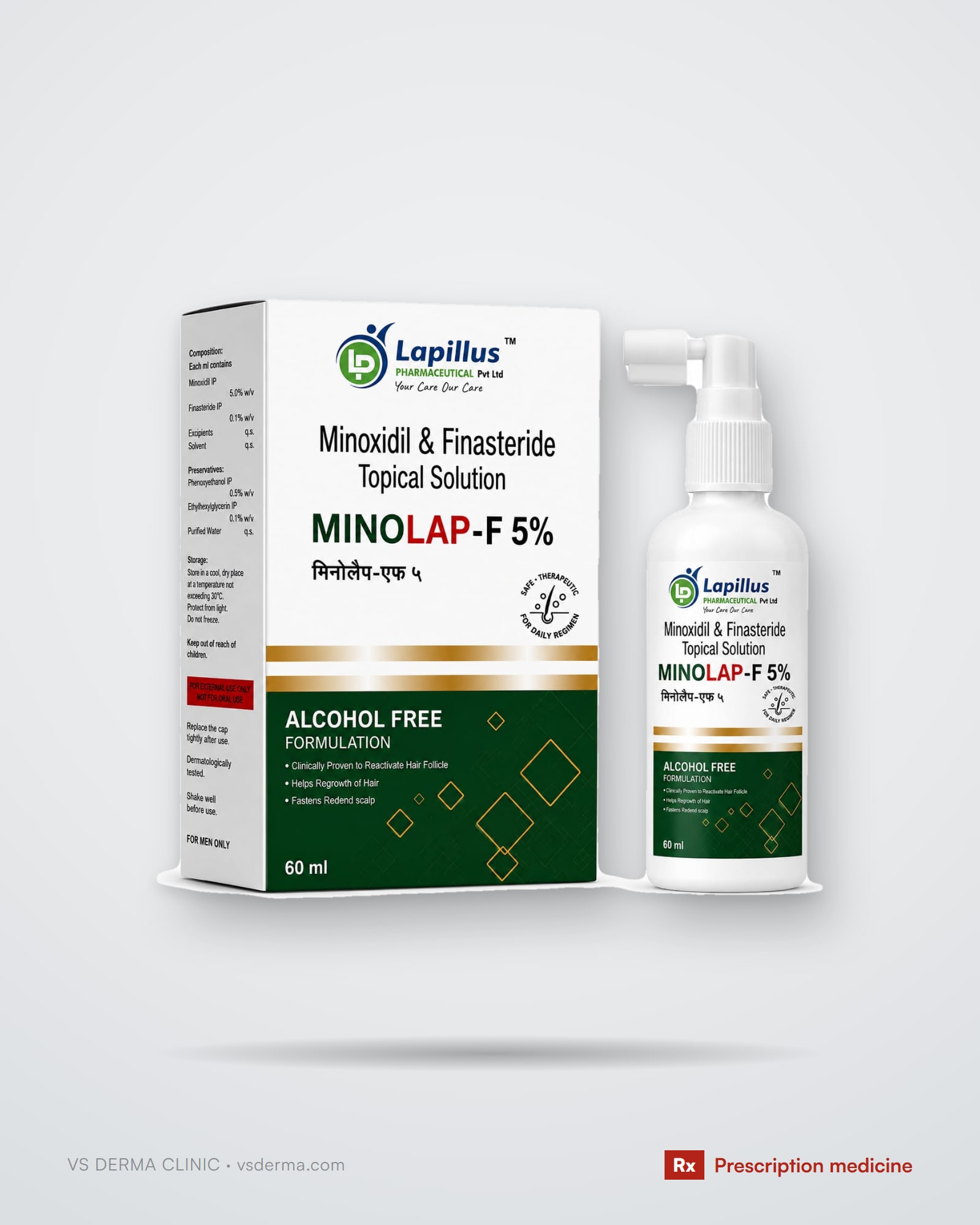
Products VS Derma Clinic stocks for this concern. Not sure which suits you? Ask Dr. Punam at your visit.
Want an answer for your own skin or scalp?
Every plan at VS Derma Clinic starts with an examination by Dr. Punam Singh, MD Dermatology, Gold Medalist.
More from the clinic: Instagram @vs_dermaclinic · YouTube · Dr. Punam on LinkedIn