Hair fall after delivery: a month-by-month guide, and the 2-minute test that tells you if it is normal
Delivery ke baad baal kab tak jhadte hain? A month-by-month calendar, a 2-minute home test, the family advice that does not work, and the 3 blood tests that do.

Your doctor at VS Derma
MD Dermatology, Gold Medalist · Dermatologist & hair transplant surgeon · VS Derma Clinic, Bali Nagar, New Delhi
★ 4.9 on Google from 402 patient reviews
The baby is four months old. You finally get ten minutes for a bath, and the drain is full of hair. There is hair on the pillow, on your dupatta, wrapped around the baby’s fingers. Your mother-in-law says methi khao. Your friend says onion juice lagao. Instagram says buy these gummies.
Stop for one minute. Here is the honest picture, month by month, and a simple way to know whether what is happening to you is normal.
First, the one-line answer
Hair fall after delivery is normal, it is temporary, and you will not go bald from it. In a study of 1,284 women after delivery, 44.5% had hair changes. You are not the only one. You are one of almost half.
What is not normal is hair fall that does not stop, or a parting that keeps getting wider. That is a different problem, and it is the one you should not wait on.
Why it happens (in 30 seconds)
On a normal day, you lose about 50 to 100 hairs. In pregnancy, high hormones stop most of that shedding, which is why many women have their best hair of their lives in the ninth month.
After delivery the hormones fall. All the hair that should have fallen over nine months now falls together, two to four months later. Doctors call it telogen effluvium. The important word is shedding: the roots are alive, and new hair is already growing under the old.
The hair fall calendar
Find your month. This is what most women go through:
| After delivery | What you see | What it means | What to do |
|---|---|---|---|
| Month 0–2 | Hair looks normal, maybe thick | Pregnancy hair still holding | Nothing. Eat well, keep your iron tablets going |
| Month 2–4 | Shedding starts, suddenly a lot | The normal shed has begun | Do not panic-buy products. Do the 2-minute test below |
| Month 4–5 | The worst of it. Hair in every comb | The peak | Hold on. This is the hardest month, not a sign it is getting worse |
| Month 5–7 | Shedding slows. Short spiky hairs at the hairline | Regrowth. Those “baby hairs” are the good news | Keep going. Gentle styling |
| Month 7–9 | Most women: almost back to normal | Recovering | If it is still heavy now, book a check |
| Month 9–12+ | Hair back, or still thinning | Back to normal, or something else is going on | Still falling after 9 months? See a dermatologist |
The 2-minute test you can do at home
You do not need to count every hair. Do these three things once a week, on the same day:
1. The parting photo. Part your hair in the middle, stand in the same light, and take a photo from above. Compare it with last month’s. If the line is the same width, it is shedding. If the line is getting wider, that is not normal postpartum hair fall.
2. The gentle pull. Take a small bunch of hair (about the thickness of a pencil) between your fingers and slide gently from root to tip. A few hairs coming out is normal in these months. A whole bunch coming out every time, months after the peak, needs a check.
3. The baby hair check. Look at your hairline and temples. Short new hairs standing up are regrowth. If after month 6 you see no new hairs at all, see a doctor.
The family advice, honestly
You will get a lot of advice. Some of it is kind, and some of it costs money and time you do not have.
- “Methi, ghee, gond ke laddoo khao.” Good food helps your body recover after delivery, so eat. But no food stops the hormone shedding. It ends on its own timeline.
- “Sar pe tel lagao, champi karo.” Oil makes hair softer and less likely to break. It does not reach the root and does not stop shedding. Heavy oiling on a sweaty scalp can cause dandruff.
- “Onion juice lagao.” Not proven, often irritates the scalp, and the smell near a newborn is not fun.
- “Doodh pilane se baal jhadte hain.” Breastfeeding is not the cause. The hormone drop is. But breastfeeding while eating too little can make it last longer, so feed yourself too.
- “Baal chhote kar lo.” Cutting does not change hair fall from the root. Do it only if it makes your life with a baby easier.
- Hair gummies and “postpartum” shampoos. If you are not deficient in a vitamin, extra vitamins do not grow extra hair. No shampoo touches the hormones.
The real problem in India: iron
Here is the part most hair-fall articles skip. In India, 58 to 63% of women who have recently had a baby are anaemic (NFHS-5). Blood loss at delivery, months of breastfeeding, and too little rest drain your iron.
Low iron does two things to hair: it makes the shedding heavier, and it makes it last longer. Many women who are “still losing hair after a year” are not having postpartum hair fall any more. They are running on empty iron stores.
And this can happen even when your haemoglobin report looks normal, because haemoglobin is the last thing to fall. That is why a doctor looks at the right tests.
The 3 tests worth asking for
If your hair fall is past month 9, or worse than it should be, these are the three tests a dermatologist usually looks at:
- Ferritin: your iron stores, not just haemoglobin. This is the one most often missed.
- TSH: thyroid. Thyroid problems are common in the year after delivery, and they cause hair fall, tiredness and weight changes.
- Vitamin D and B12: often low in Indian women, especially if you are indoors with the baby all day.
Do not start iron or thyroid tablets on your own based on a guess. Get the test, then treat what is actually low.
When it is not postpartum hair fall at all
Sometimes pregnancy brings out female pattern hair loss, the kind that runs in families. It looks different:
- the hair does not fall in bunches, it gets thinner where it grows;
- the parting widens, or the top of the head shows more scalp;
- the ponytail gets thinner month after month;
- it does not come back on its own.
This one needs treatment early, while the roots are still alive. The longer you wait, the more roots stop working.
See a dermatologist straight away if you see round bald patches, redness, scaling or pain on the scalp.
Breastfeeding? What is safe
This is the question that stops most mothers from doing anything. Short answer:
- Normal postpartum shedding needs no medicine. Time, food, and the right tests are enough.
- Minoxidil (the most common hair-fall medicine) has little safety data in breastfeeding. Do not start it yourself because a reel told you to.
- Finasteride must never be used by a breastfeeding or pregnant woman.
- PRP, made from your own blood, is often an option when there is pattern hair loss. The dermatologist decides if it suits you.
What happens when you see a dermatologist
No long sales talk. A proper hair-fall visit is simple:
- Questions: when the baby was born, when the shedding started, your diet, your periods, any family history.
- A close look at the scalp, usually with a magnifying dermoscope, to see if the hairs are shedding normally or thinning.
- Blood tests, only if needed.
- A plan: either “this is normal, here is what to expect”, or treatment for the real cause.
For many new mothers, the most useful thing they get from the visit is simply knowing it is normal, and when it will stop.
The short version
- Starts at month 2–4, peaks at month 4–5, settles by month 6–12.
- Do the parting photo every week. Same width means it is normal shedding.
- Still heavy after 9 months, a widening parting, or bald patches: get checked.
- In India, low iron is the most common reason it goes on too long. Ask for ferritin, not just haemoglobin.
- Do not start minoxidil or any hair medicine on your own while breastfeeding.
If you are past month 9, or your parting photo is getting wider, you do not have to keep guessing. Book a hair-fall check with Dr. Punam Singh at VS Derma Clinic, Bali Nagar, West Delhi, or in Dwarka.
Questions people ask
Delivery ke baad baal kab tak jhadte hain?
Usually from month 2 to 4 after delivery until about month 6 to 9. By the baby's first birthday most women are back to their old hair. If the shedding is still heavy after 9 months, get it checked.
Delivery ke baad baal kyu jhadte hain?
In pregnancy, high hormone levels stop hair from falling, so many hairs that should have fallen stay on your head. After delivery the hormones drop, and all those hairs fall together a few months later. Low iron and thyroid problems after pregnancy can make it heavier and longer.
Does breastfeeding cause hair fall?
Breastfeeding itself is not the cause. The drop in pregnancy hormones is. But breastfeeding on too little food, protein or iron can make the shedding last longer, so eat well and keep taking the supplements your doctor gave you.
Should I cut my hair short to stop hair fall after delivery?
Cutting does not change how many hairs fall from the root. It only makes each fallen hair look smaller and is easier to manage with a baby. Cut it if you want to, not because you have to.
Can I use minoxidil while breastfeeding?
Not on your own. There is little safety data for minoxidil while breastfeeding, and normal postpartum shedding recovers without it. If a dermatologist finds pattern hair loss, they will decide what is safe for you and your baby.
Hair fall after delivery even after 1 year: is that normal?
No. By a year most women have recovered. Hair fall after a year usually has another cause: low iron stores, thyroid, or female pattern hair loss that the pregnancy brought out. All three are treatable, and earlier is better.
हिन्दी में पढ़ें
डिलीवरी के बाद बाल झड़ना: महीने-दर-महीने गाइड, और 2 मिनट का टेस्ट जो बताए कि यह नॉर्मल है या नहीं
- पहले, एक लाइन का जवाब
- ऐसा क्यों होता है (30 सेकंड में)
- हेयर फ़ॉल कैलेंडर
- घर पर 2 मिनट का टेस्ट
- घरवालों की सलाह, ईमानदारी से
- भारत की असली समस्या: आयरन
- 3 टेस्ट जो पूछने लायक़ हैं
- जब यह पोस्टपार्टम हेयर फ़ॉल है ही नहीं
- दूध पिला रही हैं? क्या सुरक्षित है
- डर्मेटोलॉजिस्ट के पास क्या होता है
- छोटे में
बच्चा चार महीने का है। बड़ी मुश्किल से नहाने के दस मिनट मिले, और नाली बालों से भर गई। तकिये पर बाल, दुपट्टे पर बाल, बच्चे की मुट्ठी में बाल। सास कहती हैं मेथी खाओ। सहेली कहती है प्याज़ का रस लगाओ। इंस्टाग्राम कहता है ये गमीज़ ख़रीद लो।
एक मिनट रुकिए। यहाँ सच्ची तस्वीर है, महीने-दर-महीने, और एक आसान तरीक़ा जिससे आप ख़ुद जान सकें कि आपके साथ जो हो रहा है वह नॉर्मल है या नहीं।
पहले, एक लाइन का जवाब
डिलीवरी के बाद बाल झड़ना नॉर्मल है, कुछ समय का है, और इससे आप गंजी नहीं होंगी। डिलीवरी के बाद 1,284 महिलाओं पर हुई एक स्टडी में 44.5% के बालों में बदलाव आया। आप अकेली नहीं हैं, लगभग हर दूसरी माँ के साथ यही होता है।
जो नॉर्मल नहीं है, वह है ऐसा झड़ना जो रुके ही नहीं, या माँग जो हर महीने चौड़ी होती जाए। वह अलग समस्या है, और उसमें इंतज़ार नहीं करना चाहिए।
ऐसा क्यों होता है (30 सेकंड में)
आम दिनों में रोज़ 50 से 100 बाल गिरते हैं। प्रेगनेंसी में ज़्यादा हार्मोन इस झड़ने को रोक देते हैं, इसीलिए कई महिलाओं के नौवें महीने में सबसे घने बाल होते हैं।
डिलीवरी के बाद हार्मोन गिरते हैं। नौ महीने में जो बाल गिरने थे, वे दो से चार महीने बाद एक साथ गिरते हैं। डॉक्टर इसे टेलोजन एफ़्लुवियम कहते हैं। ज़रूरी शब्द है झड़ना, गंजापन नहीं: जड़ें ज़िंदा हैं, और पुराने बाल के नीचे नया बाल पहले से उग रहा है।
हेयर फ़ॉल कैलेंडर
अपना महीना देखिए। ज़्यादातर महिलाओं के साथ यही होता है:
| डिलीवरी के बाद | क्या दिखता है | मतलब | क्या करें |
|---|---|---|---|
| महीना 0–2 | बाल नॉर्मल, शायद घने | प्रेगनेंसी वाले बाल अभी टिके हैं | कुछ नहीं। अच्छा खाएँ, आयरन की गोली चालू रखें |
| महीना 2–4 | अचानक बहुत बाल गिरने लगे | नॉर्मल झड़ना शुरू हुआ | घबराकर प्रोडक्ट न ख़रीदें। नीचे वाला 2 मिनट का टेस्ट करें |
| महीना 4–5 | सबसे ज़्यादा। हर कंघी में बाल | पीक | टिके रहिए। यह सबसे मुश्किल महीना है, बिगड़ने का संकेत नहीं |
| महीना 5–7 | झड़ना कम। हेयरलाइन पर छोटे खड़े बाल | नए बाल आ रहे हैं, ये “बेबी हेयर” अच्छी ख़बर हैं | चलते रहिए। बाल हल्के से बाँधें |
| महीना 7–9 | ज़्यादातर महिलाएँ: लगभग पहले जैसी | ठीक हो रही हैं | अभी भी तेज़ झड़ना है? जाँच बुक करें |
| महीना 9–12+ | बाल वापस, या अब भी पतले | नॉर्मल, या कोई और वजह है | 9 महीने बाद भी झड़ रहे हैं? डर्मेटोलॉजिस्ट को दिखाएँ |
घर पर 2 मिनट का टेस्ट
हर बाल गिनने की ज़रूरत नहीं। हफ़्ते में एक बार, एक ही दिन, ये तीन काम करें:
1. माँग की फ़ोटो। बीच से माँग निकालें, एक ही रोशनी में खड़ी हों, और ऊपर से फ़ोटो लें। पिछले महीने की फ़ोटो से मिलाएँ। लाइन उतनी ही चौड़ी है तो यह झड़ना है। लाइन चौड़ी हो रही है तो यह नॉर्मल पोस्टपार्टम हेयर फ़ॉल नहीं है।
2. हल्का खिंचाव। पेंसिल जितनी मोटी बालों की लट उँगलियों में लें और जड़ से सिरे तक हल्के से सरकाएँ। इन महीनों में कुछ बाल निकलना नॉर्मल है। पीक के महीनों बाद भी हर बार गुच्छा निकले, तो जाँच करवाएँ।
3. नए बालों की जाँच। हेयरलाइन और कनपटी देखें। छोटे खड़े हुए नए बाल मतलब बाल वापस आ रहे हैं। अगर छठे महीने के बाद एक भी नया बाल न दिखे, तो डॉक्टर को दिखाएँ।
घरवालों की सलाह, ईमानदारी से
आपको बहुत सलाह मिलेगी। कुछ प्यार से, कुछ ऐसी जिसमें पैसा और समय लगता है जो अभी आपके पास नहीं है।
- “मेथी, घी, गोंद के लड्डू खाओ।” अच्छा खाना डिलीवरी के बाद शरीर को ठीक करता है, इसलिए खाइए। लेकिन कोई खाना हार्मोन वाला झड़ना नहीं रोकता। वह अपने समय पर ही रुकता है।
- “सिर पर तेल लगाओ, चंपी करो।” तेल बालों को नरम करता है और टूटना कम करता है। जड़ तक नहीं पहुँचता और झड़ना नहीं रोकता। पसीने वाले स्कैल्प पर भारी तेल से डैंड्रफ़ हो सकता है।
- “प्याज़ का रस लगाओ।” साबित नहीं है, अक्सर स्कैल्प में जलन करता है, और नवजात के पास उसकी गंध भी ठीक नहीं।
- “दूध पिलाने से बाल झड़ते हैं।” दूध पिलाना वजह नहीं है, हार्मोन का गिरना है। लेकिन कम खाकर दूध पिलाने से झड़ना लंबा चल सकता है, इसलिए अपना भी पेट भरिए।
- “बाल छोटे करवा लो।” कटवाने से जड़ से झड़ना नहीं बदलता। तभी कटवाएँ जब बच्चे के साथ आसानी हो।
- हेयर गमीज़ और “पोस्टपार्टम” शैंपू। अगर आपके शरीर में किसी विटामिन की कमी नहीं है, तो ज़्यादा विटामिन से ज़्यादा बाल नहीं उगते। कोई शैंपू हार्मोन तक नहीं पहुँचता।
भारत की असली समस्या: आयरन
ज़्यादातर हेयर फ़ॉल आर्टिकल यह हिस्सा छोड़ देते हैं। भारत में हाल ही में माँ बनी 58 से 63% महिलाओं में ख़ून की कमी (एनीमिया) है (NFHS-5)। डिलीवरी में ख़ून जाना, महीनों दूध पिलाना, और कम आराम, ये सब आयरन ख़त्म कर देते हैं।
कम आयरन बालों के साथ दो काम करता है: झड़ना ज़्यादा करता है, और उसे लंबा चलाता है। बहुत-सी महिलाएँ जो “एक साल बाद भी बाल झड़ रहे हैं” कहती हैं, उनमें अब पोस्टपार्टम हेयर फ़ॉल नहीं बचा। उनका आयरन का स्टॉक ख़ाली है।
और यह तब भी हो सकता है जब हीमोग्लोबिन की रिपोर्ट नॉर्मल हो, क्योंकि हीमोग्लोबिन सबसे आख़िर में गिरता है। इसीलिए सही टेस्ट ज़रूरी है।
3 टेस्ट जो पूछने लायक़ हैं
अगर 9 महीने बाद भी बाल झड़ रहे हैं, या जितना होना चाहिए उससे ज़्यादा, तो डर्मेटोलॉजिस्ट आमतौर पर ये तीन टेस्ट देखते हैं:
- फ़ेरिटिन: आपके आयरन का स्टॉक, सिर्फ़ हीमोग्लोबिन नहीं। यही सबसे ज़्यादा छूटता है।
- TSH: थायरॉइड। डिलीवरी के बाद पहले साल में थायरॉइड की समस्या आम है, और इससे बाल झड़ना, थकान और वज़न में बदलाव होता है।
- विटामिन D और B12: भारतीय महिलाओं में अक्सर कम, ख़ासकर अगर आप पूरे दिन बच्चे के साथ घर के अंदर हैं।
अंदाज़े से ख़ुद आयरन या थायरॉइड की गोली शुरू न करें। पहले टेस्ट, फिर जो सच में कम है उसका इलाज।
जब यह पोस्टपार्टम हेयर फ़ॉल है ही नहीं
कभी-कभी प्रेगनेंसी के बाद फ़ीमेल पैटर्न हेयर लॉस सामने आता है, जो परिवार में चलता है। यह अलग दिखता है:
- बाल गुच्छों में नहीं गिरते, जहाँ उगते हैं वहीं पतले होते जाते हैं;
- माँग चौड़ी होती है, या सिर के ऊपर स्कैल्प ज़्यादा दिखता है;
- चोटी हर महीने पतली होती जाती है;
- यह अपने आप वापस नहीं आता।
इसका इलाज जल्दी चाहिए, जब तक जड़ें ज़िंदा हैं। जितना इंतज़ार, उतनी ज़्यादा जड़ें काम करना बंद करती हैं।
अगर गोल गंजे पैच, स्कैल्प पर लाली, पपड़ी या दर्द दिखे, तो तुरंत डर्मेटोलॉजिस्ट को दिखाएँ।
दूध पिला रही हैं? क्या सुरक्षित है
यही सवाल ज़्यादातर माँओं को कुछ भी करने से रोकता है। छोटा जवाब:
- नॉर्मल पोस्टपार्टम झड़ने में दवा की ज़रूरत नहीं। समय, खाना और सही टेस्ट काफ़ी हैं।
- मिनोक्सिडिल (हेयर फ़ॉल की सबसे आम दवा) पर दूध पिलाने के दौरान बहुत कम डेटा है। किसी रील को देखकर ख़ुद शुरू न करें।
- फ़िनास्टेराइड दूध पिलाने वाली या प्रेगनेंट महिला को कभी नहीं लेनी चाहिए।
- PRP, जो आपके अपने ख़ून से बनता है, पैटर्न हेयर लॉस में अक्सर एक विकल्प होता है। आपके लिए सही है या नहीं, डर्मेटोलॉजिस्ट तय करते हैं।
डर्मेटोलॉजिस्ट के पास क्या होता है
कोई लंबी सेल्स बात नहीं। सही हेयर फ़ॉल विज़िट सीधी होती है:
- सवाल: बच्चा कब हुआ, झड़ना कब शुरू हुआ, खाना, पीरियड्स, परिवार में किसी को।
- स्कैल्प की क़रीब से जाँच, आमतौर पर डर्मोस्कोप (बड़ा दिखाने वाला लेंस) से, यह देखने के लिए कि बाल नॉर्मल झड़ रहे हैं या पतले हो रहे हैं।
- ख़ून के टेस्ट, सिर्फ़ ज़रूरत हो तो।
- एक प्लान: या तो “यह नॉर्मल है, आगे यह होगा”, या असली वजह का इलाज।
कई नई माँओं के लिए विज़िट से सबसे काम की चीज़ यही होती है: यह जानना कि यह नॉर्मल है, और कब रुकेगा।
छोटे में
- महीना 2–4 में शुरू, महीना 4–5 में पीक, महीना 6–12 में ठीक।
- हर हफ़्ते माँग की फ़ोटो लें। चौड़ाई वही है तो नॉर्मल झड़ना है।
- 9 महीने बाद भी तेज़, चौड़ी होती माँग, या गंजे पैच: जाँच करवाएँ।
- भारत में झड़ना लंबा चलने की सबसे आम वजह कम आयरन है। सिर्फ़ हीमोग्लोबिन नहीं, फ़ेरिटिन पूछें।
- दूध पिलाते समय मिनोक्सिडिल या कोई हेयर दवा ख़ुद से शुरू न करें।
अगर 9 महीने से ज़्यादा हो गए हैं, या माँग की फ़ोटो चौड़ी हो रही है, तो अंदाज़ा लगाते रहने की ज़रूरत नहीं। VS Derma Clinic, बाली नगर, वेस्ट दिल्ली या द्वारका में डॉ. पूनम सिंह से हेयर फ़ॉल जाँच बुक करें।
लोग अक्सर पूछते हैं
डिलीवरी के बाद बाल कब तक झड़ते हैं?
आमतौर पर डिलीवरी के 2-4 महीने बाद से लेकर लगभग 6-9 महीने तक। बच्चे के पहले जन्मदिन तक ज़्यादातर महिलाओं के बाल पहले जैसे हो जाते हैं। 9 महीने बाद भी तेज़ झड़ना हो तो जाँच करवाएँ।
डिलीवरी के बाद बाल क्यों झड़ते हैं?
प्रेगनेंसी में हार्मोन ज़्यादा होने से बाल गिरना रुक जाता है, इसलिए जो बाल गिरने थे वे सिर पर ही रहते हैं। डिलीवरी के बाद हार्मोन गिरते हैं, और ये सारे बाल कुछ महीने बाद एक साथ गिरते हैं। आयरन की कमी और थायरॉइड इसे ज़्यादा और लंबा कर सकते हैं।
क्या दूध पिलाने से बाल झड़ते हैं?
दूध पिलाना असली वजह नहीं है, हार्मोन का गिरना है। लेकिन कम खाना, कम प्रोटीन या कम आयरन के साथ दूध पिलाने से झड़ना लंबा चल सकता है। इसलिए अपना खाना ठीक रखें और डॉक्टर की दी हुई गोलियाँ लेती रहें।
क्या बाल छोटे करवाने से झड़ना रुकेगा?
नहीं। बाल कटवाने से जड़ से गिरने वाले बाल कम नहीं होते, बस गिरा हुआ बाल छोटा दिखता है और बच्चे के साथ सँभालना आसान होता है। कटवाना हो तो अपनी सुविधा के लिए कटवाएँ, मजबूरी में नहीं।
क्या दूध पिलाते समय मिनोक्सिडिल लगा सकते हैं?
ख़ुद से नहीं। दूध पिलाने के दौरान मिनोक्सिडिल की सुरक्षा पर बहुत कम डेटा है, और नॉर्मल पोस्टपार्टम हेयर फ़ॉल बिना इसके ठीक हो जाता है। अगर डर्मेटोलॉजिस्ट को पैटर्न हेयर लॉस मिलता है, तो वही तय करेंगे कि आपके और बच्चे के लिए क्या सुरक्षित है।
डिलीवरी के 1 साल बाद भी बाल झड़ रहे हैं, क्या यह नॉर्मल है?
नहीं। एक साल तक ज़्यादातर महिलाएँ ठीक हो जाती हैं। एक साल बाद का झड़ना आमतौर पर किसी और वजह से होता है: आयरन का स्टॉक कम, थायरॉइड, या फ़ीमेल पैटर्न हेयर लॉस जो प्रेगनेंसी के बाद सामने आया। तीनों का इलाज है, और जितना जल्दी, उतना बेहतर।
Sources
Written by the VS Derma Clinic team. This article is general information, not a diagnosis; see our medical disclaimer, or book a consultation for advice about your own skin or hair.
From the clinic's shelf
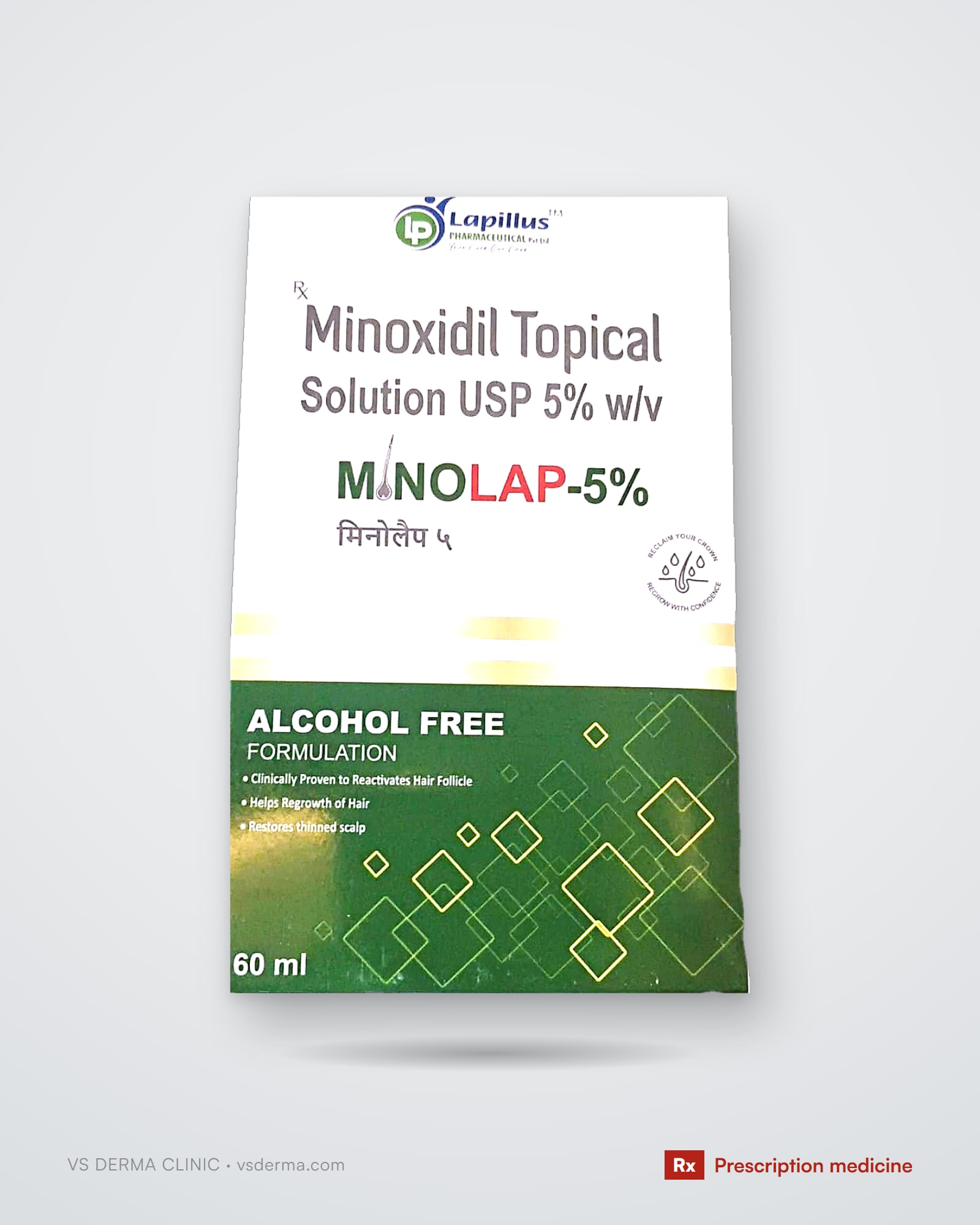
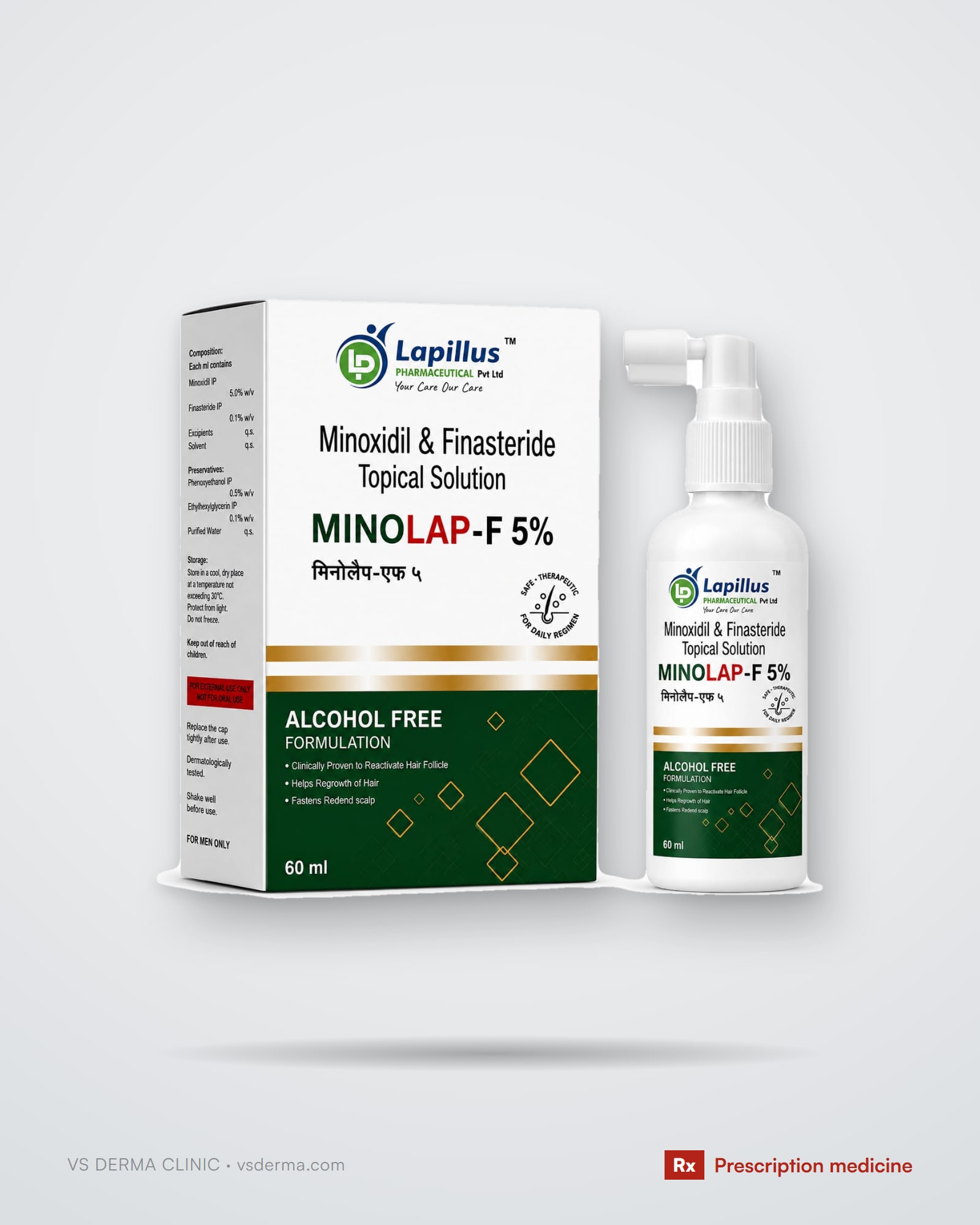
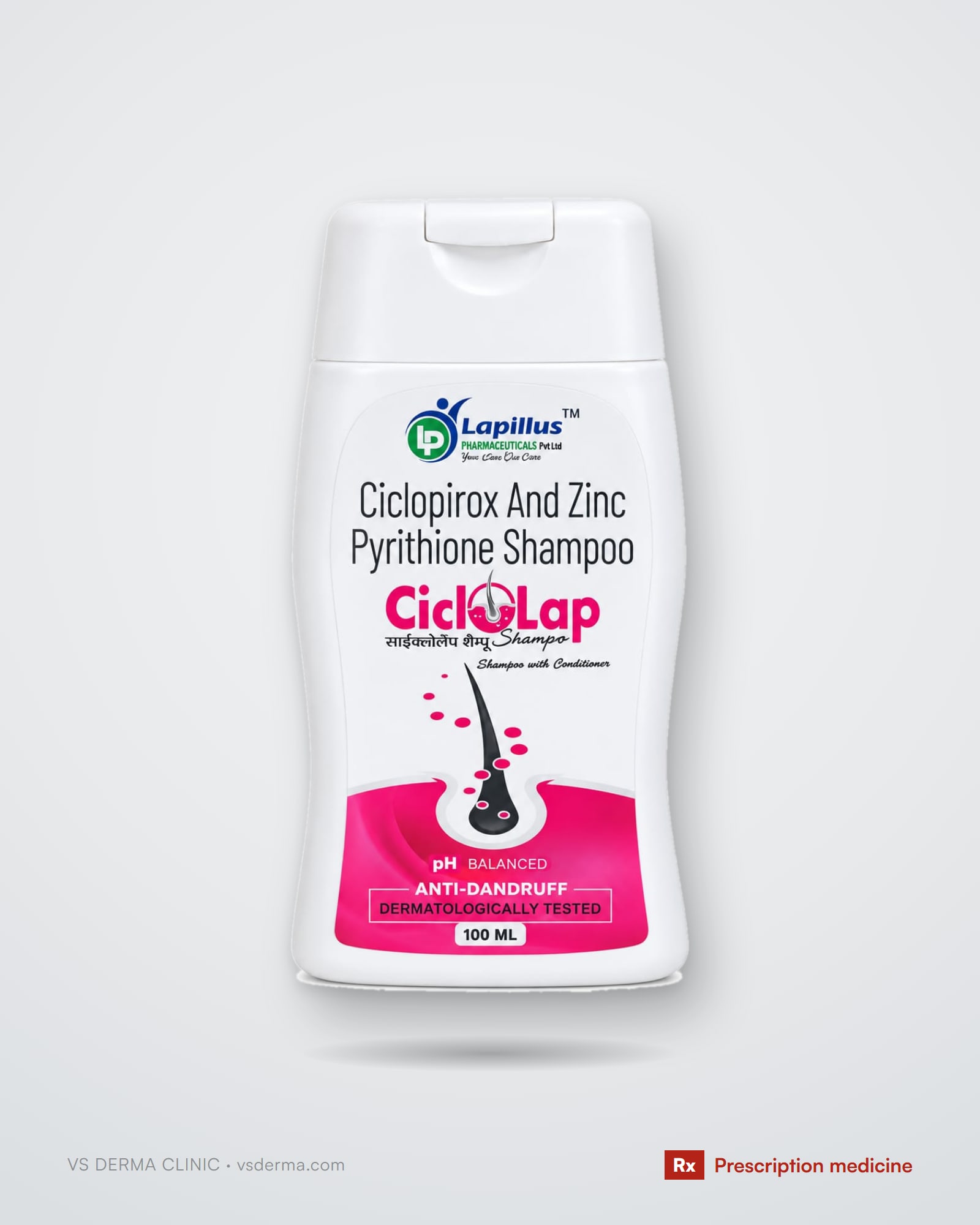
Products VS Derma Clinic stocks for this concern. Not sure which suits you? Ask Dr. Punam at your visit.

Want an answer for your own skin or scalp?
Every plan at VS Derma Clinic starts with an examination by Dr. Punam Singh, MD Dermatology, Gold Medalist.
More from the clinic: Instagram @vs_dermaclinic · YouTube · Dr. Punam on LinkedIn